Au-some Mom: A Designer’s Embroidery Review
As a professional embroidery digitizer and product reviewer, I approach every new graphic with a specific question: will this translate beautifully from screen to stitch? When evaluating the Au-some Mom design, my focus shifts immediately from its digital appearance to its practical application in real-world projects. This isn't just about whether the SVG cut file looks cute on a monitor; it is about whether it can withstand the rigors of production, maintain clarity on various fabrics, and ultimately create a handmade product that customers or gift recipients will cherish. In the competitive space of Crafts and digital Graphics, understanding the physical limitations and strengths of a design is what separates amateur results from professional, boutique-quality finishes.
First Impressions and Visual Personality
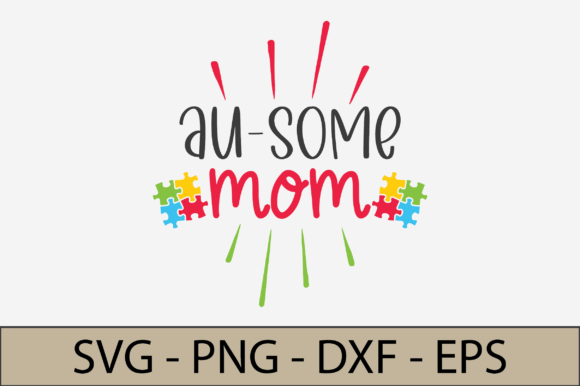
My initial assessment of Au-some Mom reveals a design rooted in warmth and celebration. The typography suggests a playful yet legible aesthetic, likely utilizing a mix of script and block elements to convey both personality and readability. For an embroidery designer, this balance is critical. Script fonts often pose challenges in machine embroidery due to thin connecting lines, but if this design has been optimized for stitching, those connections should be robust enough to prevent thread breaks during high-speed production. The visual mood strikes me as ideal for maternal appreciation, making it a strong candidate for Mother’s Day collections, birthday gifts, or "new mom" announcements.
However, visual appeal goes beyond the font choice. I am looking at the negative space and the overall footprint. Does the design feel crowded, or does it breathe? For a tote bag design or sweatshirt embroidery, the layout needs to center well without distorting when the garment is worn. If Au-some Mom relies heavily on intricate internal details within the lettering, I would immediately flag this for testing on textured fabrics like canvas or terry cloth, where fine details can get lost in the weave. Conversely, if the design utilizes bold shapes suitable for an applique design or dense satin stitch borders, it promises excellent coverage and durability on heavier garments.
Real-World Application: The Custom Sweatshirt Test
To truly evaluate this asset, let us imagine a specific production scenario: creating a custom crewneck sweatshirt for an Etsy shop targeting modern moms. This is a staple item for any craft business, but fleece presents unique challenges. Fleece is stretchy, has a nap, and can shift easily in the hoop. When I consider using Au-some Mom for this project, my first concern is stabilization. A standard tear-away stabilizer might not suffice here; I would recommend a cut-away stabilizer to support the weight of the stitches and prevent puckering once the garment is washed.
In this sweatshirt scenario, I am also thinking about the customer's tactile experience. Nobody wants a stiff, bulletproof patch of embroidery on a soft lounge top. If Au-some Mom is a dense fill design, I would advise checking the stitch density. Reducing density by 10-15% can make the final finished product softer and more pliable without sacrificing coverage. Furthermore, because this is intended for commercial sale, I need to ensure the design reads clearly from a distance. High contrast between the thread colors and the sweatshirt fabric is non-negotiable. A white stitch on a cream sweatshirt might look elegant digitally but could vanish in product photography or low-light wear. Testing this combination on a scrap piece of similar fleece is a mandatory step before listing the item.
Navigating Fabric Limitations and Hoop Constraints
While Au-some Mom shows promise for apparel, experienced makers know that versatility requires caution. Not all substrates are created equal. If you plan to adapt this design for baby embroidery items like onesies or bibs, you must be hyper-aware of scale. Baby garments offer limited real estate, and resizing a complex design down to fit a 4x4 hoop can result in illegible text or overlapping stitches. Always verify the minimum safe size for the embroidery file before committing to small-scale projects.
Textured fabrics like kitchen towels or linen aprons present another hurdle. If Au-some Mom contains fine running stitches or tiny decorative accents, these may sink into the fabric grain. In such cases, using a water-soluble topping is essential to keep the stitches sitting on top of the texture. Similarly, if you are considering this for caps or curved surfaces, assess the vertical height of the design. Cap hoops have strict curvature limits, and a design that is too tall vertically will distort at the edges. For structured hats, a simplified version of Au-some Mom focusing on the main text element might be necessary to ensure clean registration.
I must also address dark fabrics. If the design includes light-colored outlines or subtle shading meant for white backgrounds, these elements will disappear on navy or black garments. As a designer, I always recommend creating a separate colorway or modifying the underlay for dark goods to ensure the design pops. This attention to detail signals professionalism to buyers and reduces return rates due to poor visibility.
Commercial Viability and Brand Consistency
For Etsy sellers and small shop owners, Au-some Mom represents more than just a pretty graphic; it is a potential revenue stream. However, commercial viability hinges on consistency. Can you reproduce this design identically across fifty different tote bags? Does it align with your existing brand aesthetic? If your shop specializes in minimalist line art, a heavy, ornate version of this design might confuse your audience. Conversely, if your brand is vibrant and eclectic, this design could be a perfect anchor product.
When creating printable mockups or digital previews for your listings, ensure the representation is accurate. Do not simply overlay the SVG onto a shirt template; show actual stitch-outs whenever possible. Customers trust sellers who demonstrate real production capability. Highlighting the texture of the satin stitch or the precision of the alignment builds confidence. Additionally, always double-check the licensing terms associated with the digital embroidery file. Confirm whether you are permitted to sell finished physical products, digital transfers, or both. Protecting your business starts with respecting intellectual property rights.
Essential Pre-Production Checklist for Makers
Before you load Au-some Mom into your machine for a client order or personal project, run through this practical checklist to avoid costly mistakes:
- Test Stitch on Scrap: Never skip this step. Use the exact fabric and stabilizer combination intended for the final project to check for puckering, registration issues, or thread tension problems.
- Verify Hoop Size: Ensure the design fits comfortably within your hoop with adequate margin for the presser foot. Crowding the hoop leads to misalignment.
- Check Thread Contrast: View your chosen thread colors against the fabric in natural light. What looks good under studio lamps may look muddy in daylight.
- Inspect Small Details: Zoom in on the digital file to identify any areas smaller than 2mm. These may need to be removed or enlarged to prevent needle breaks or thread bunching.
- Review Stabilizer Choice: Match the stabilizer to the fabric weight and stretch. Knits need cut-away; wovens can often use tear-away; sheers require wash-away.
- Confirm Licensing: Re-read the vendor’s terms specifically regarding commercial use of the embroidered patch or finished apparel to ensure compliance.
- Mockup Accuracy: If selling online, photograph a physical sample rather than relying solely on digital renders to manage customer expectations regarding texture and sheen.
Final Thoughts on Design Integrity
Au-some Mom holds significant potential for makers willing to treat it with technical respect. It bridges the gap between sentimental value and wearable art, making it a versatile addition to any personalized gift lineup or seasonal collection. By approaching this design with a critical eye toward stitch mechanics, fabric compatibility, and commercial presentation, you elevate your work from simple crafting to professional textile decoration. Remember, the success of any machine embroidery design lies not just in the digital file itself, but in the thoughtful execution of the maker behind the machine. Take the time to test, adjust, and refine, and this design will serve as a reliable foundation for beautiful, lasting creations.