Baseball Mom Life Leopard Print: Embroidery Review
First Impressions: Balancing Trend and Tradition
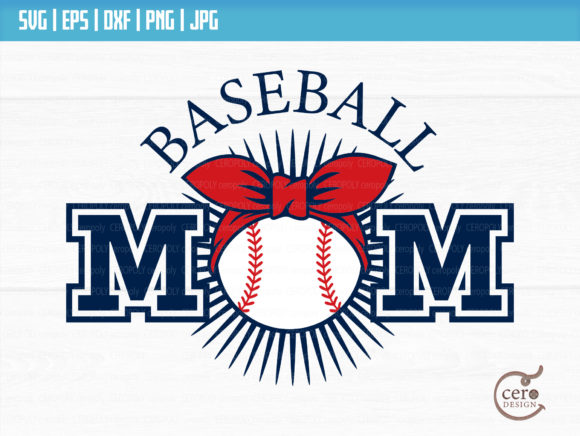
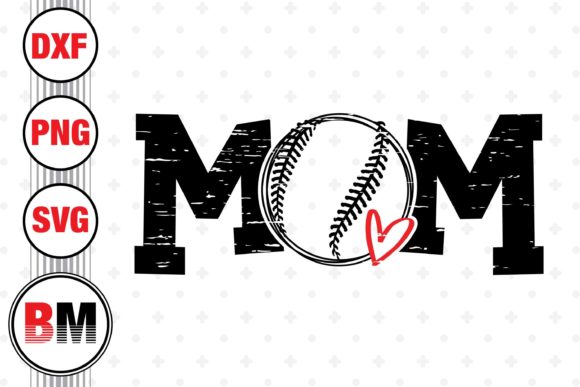
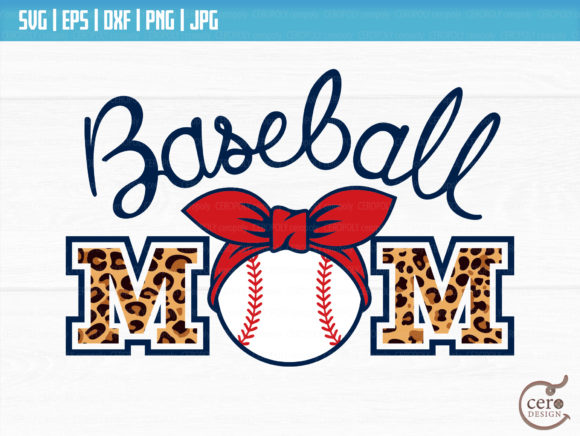
When evaluating the Baseball Mom Life Leopard Print for potential use in a commercial embroidery workflow, my immediate focus is on how well this graphic translates from a digital screen to physical thread. As a designer who regularly creates custom apparel for team moms and boutique shops, I look for graphics that bridge the gap between sporty utility and feminine style. This design hits that specific niche effectively. The combination of traditional baseball iconography with the organic, fluid shapes of leopard print creates a visual texture that is far more interesting than standard block lettering.
The mood is energetic yet polished. It avoids looking like a generic clipart dump and instead feels like a cohesive lifestyle brand asset. For an Etsy seller or small shop product creator, this aesthetic is crucial. Customers are no longer satisfied with basic logos; they want merchandise that doubles as fashion. The layout appears balanced enough to serve as a centerpiece for a sweatshirt or tote bag without overwhelming the garment's silhouette. However, translating these vector lines into stitches requires careful planning regarding stitch density and fabric interaction.
Real-World Application: The Custom Sweatshirt Test
To truly judge the viability of this machine embroidery design, I mentally placed it in a real-life production scenario: creating a batch of personalized crewneck sweatshirts for a local travel ball team’s mothers. This is a high-stakes project because the end users are vocal, community-connected, and expect professional durability.
In this context, the Baseball Mom Life Leopard Print serves as an excellent candidate for an applique design rather than a full fill stitch. Using the SVG or DXF file included in the download, I would cut leopard-print cotton fabric for the spots and use a satin stitch border to secure them. This approach reduces stitch count significantly, keeping the sweatshirt soft and wearable rather than stiff and bulletproof. The EPS and PNG files are invaluable here for creating printable mockups to show the client before hooping a single garment. Seeing the design rendered realistically helps manage expectations regarding color matching and scale.
For this specific handmade product, the design’s personality shines. It transforms a standard team uniform accessory into a personalized gift that moms actually want to wear to dinner or the grocery store, not just the dugout. This versatility increases the perceived value of the finished product and encourages repeat business for future seasons.
Navigating Fabric Variables and Hoop Constraints
While the graphic is visually strong, its performance depends heavily on where and how you stitch it. Not every surface is friendly to the intricate details often found in leopard patterns combined with text.
- Stretchy Knits and Performance Wear: Baseball culture involves a lot of polyester and moisture-wicking fabrics. These are notoriously difficult for detailed embroidery. If using this design on stretchy material, you must use a heavy-duty stabilizer and potentially a topping to prevent the stitches from sinking into the fabric weave. The leopard spots can easily distort if the fabric shifts during stitching.
- Caps and Curved Surfaces: Be cautious when placing this design on structured caps. The curvature can compress the bottom elements of the design. You may need to resize or re-digitize the layout specifically for headwear to ensure the text remains legible and the leopard print doesn't bunch at the seams.
- Tote Bags and Canvas: This is the safest and most forgiving substrate for this design. The stable weave of canvas holds satin stitches and running stitches beautifully, allowing the contrast between the solid baseball elements and the wilder leopard texture to pop without registration issues.
- Baby Items and Thin Fabrics: If adapting this for baby embroidery or lightweight tees, reduce the stitch density. Heavy fill stitches on thin cotton will cause puckering that no amount of pressing can fix. Consider using a lighter running stitch outline for the leopard print instead of dense fills to maintain fabric drape.
Technical Considerations for Digital Assets
The download includes SVG, EPS, DXF, and PNG files. It is vital to understand that these are primarily vector and raster graphics intended for cutting machines or sublimation, not native embroidery formats like PES or DST. As an experienced digitizer, I view these files as the blueprint, not the final construction plan.
You cannot simply load an SVG into an embroidery machine. You must either auto-digitize (which often yields poor results for complex textures like leopard print) or manually digitize over the vector file. Manual digitizing is strongly recommended for this specific design to control the stitch direction of the leopard spots. Randomizing the stitch angles mimics the natural flow of animal fur, whereas auto-digitizing often creates flat, unnatural blocks.
Before listing this as a commercial embroidery project or selling finished goods, verify your licensing rights. While the description mentions "Gift for Wife Svg" and various craft uses, always confirm whether the license permits selling physical embroidered items versus digital files. Protecting your business means respecting intellectual property boundaries.
Designer Notes for Professional Results
To ensure your finished product meets boutique standards, follow these practical steps before committing to a full production run:
- Test Stitch on Scrap Material: Never skip this step. Use the exact fabric and stabilizer combination intended for the final project. Check if the leopard spots align perfectly with their outlines. Registration errors are glaring in high-contrast designs.
- Evaluate Thread Color Contrast: Leopard print relies on tonal variation. Test thread colors against your base fabric. On dark navy sweatshirts, ensure the lighter tan threads have enough opacity to stand out. On white fabric, consider using a darker brown outline to define the shape clearly.
- Check Small Detail Legibility: If resizing the design down for a pocket logo or sleeve accent, inspect the smallest text and thinnest leopard spots. Details below 4mm often get lost or turn into thread nests. Simplify the design for smaller hoop sizes by removing peripheral elements.
- Mockup Realistically: Use the included PNG to create accurate visual previews for clients. However, add a disclaimer that actual embroidery texture varies from the digital image. This builds trust and reduces customer service friction regarding texture expectations.
- Assess Washability: Baseball gear gets dirty. Ensure your stitch type can withstand frequent laundering. Satin stitches should be secured properly to prevent fraying, and rayon threads should be colorfast tested if the garment will be bleached or washed in hot water.
Final Verdict on Versatility and Value
The Baseball Mom Life Leopard Print is a robust asset for creative entrepreneurs in the Crafts and Graphics space. Its strength lies in its dual appeal: it satisfies the functional need for team spirit while addressing the aesthetic desire for trendy, wearable fashion. Whether you are producing custom apparel for a local league, creating inventory for an online shop, or designing personalized gifts, this graphic offers significant flexibility.
Success with this design comes down to technical execution. Treat the provided files as high-quality source material for digitizing rather than plug-and-play solutions. By respecting the physics of thread and fabric, and by testing thoroughly, you can elevate this digital art into a premium embroidered product that resonates with customers and stands up to the rigors of real life. The result is a professional, marketable item that celebrates baseball mom culture with style and substance.