Baseball Stitches Numbers SVG: A Designer’s Review
When evaluating digital assets for a craft business, the difference between a generic graphic and a truly functional design often lies in the details. As someone who regularly reviews machine embroidery design files and creates custom apparel, I approach every new download with a critical eye. The Baseball Stitches Numbers SVG is not just another set of digits; it carries a specific visual weight that demands careful consideration before you thread your needle or fire up your cutter. This review breaks down how this design actually performs in real-world production scenarios, moving beyond the product listing to discuss practical application for makers and sellers.
First Impressions and Visual Personality
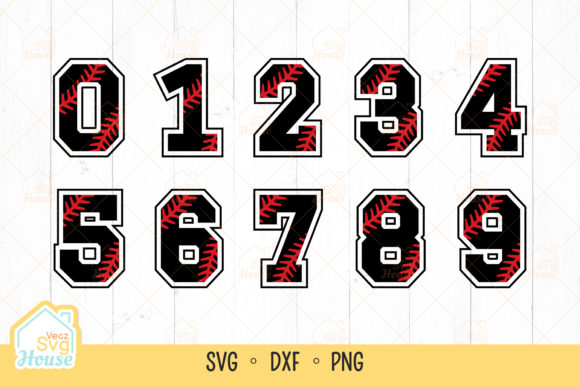
Upon opening the zip file, the immediate impression of the Baseball Stitches Numbers SVG is one of nostalgic athleticism. Unlike standard block varsity fonts that can feel stiff or overly aggressive, these numbers mimic the organic, slightly imperfect curve of actual baseball stitching. This detail matters significantly for Etsy sellers and boutique owners because it evokes an emotional response. It feels handmade even when produced by a machine. For those working in Crafts and Graphics, this texture adds a layer of authenticity that flat vector art often lacks.
The layout suggests versatility. While clearly sports-themed, the stitch-like aesthetic softens the look enough to work for nursery decor or vintage-style gifts rather than just team uniforms. However, as a designer, I immediately look at the negative space. In a true embroidery file, negative space is where registration issues hide. If you are using this strictly as a cut file for vinyl, the gaps are forgiving. If you are converting this into a digital embroidery file or using a pre-digitized version, those curved "stitch" lines require precise pathing to avoid bulk or puckering.
Real-World Application: The Custom Sweatshirt Test
To truly judge this asset, I mentally applied it to a current client request: a personalized crewneck sweatshirt for a baseball mom. This is a classic use case for sweatshirt embroidery. The goal was to place a large jersey number on the back and a smaller, coordinating name on the front chest.
In this scenario, the Baseball Stitches Numbers SVG shines as a focal point. On a heavyweight cotton fleece, the textured appearance of the design complements the fabric's loft. When planning this custom apparel project, I noted that the design’s inherent "stitch" look pairs exceptionally well with a satin stitch border or a chunky fill. However, caution is required. Because the design mimics stitching, adding actual dense satin stitches on top can create excessive stitch density. For a wearable garment like a sweatshirt, comfort is paramount. If digitizing this yourself or modifying an existing file, consider using a lighter fill stitch or a textured tatami fill to maintain the visual theme without creating a bulletproof patch on the chest.
For tote bag design or canvas projects, this graphic offers excellent contrast. The raw, sporty nature of the numbers stands out beautifully against natural cotton duck cloth. Here, the design serves as more than just identification; it acts as a decorative element that elevates a simple utility item into a desirable handmade product.
Navigating Fabric Challenges and Hoop Limitations
While the aesthetic is strong, practical execution requires awareness of material limitations. Not every substrate handles detailed, stitch-mimicking graphics equally well. When using the Baseball Stitches Numbers SVG, you must be strategic about placement and stabilization.
- Stretchy Fabrics: On performance wear or thin knits, the intricate curves of these numbers can distort. Always use a high-quality cut-away stabilizer and consider a topping if the fabric has a pile. The design needs a stable foundation to prevent the "stitches" from looking jagged after washing.
- Small Hoop Sizes: Resizing this design down for baby embroidery or sleeve cuffs requires testing. As the design shrinks, the simulated stitch texture may merge into a solid blob. Verify the minimum size recommended by the digitizer. If details are lost at 2 inches, reserve this graphic for larger areas and choose a simpler font for tiny items.
- Curved Surfaces: Applying this to caps or curved tote bags can be tricky. The horizontal flow of baseball stitching is designed for flat viewing. On a structured cap, ensure the curvature doesn't make the number look warped. A test run on a scrap cap or similar curved surface is non-negotiable for professional results.
- Dark vs. Light Fabrics: The visual impact changes drastically based on background color. On white or grey heather, the red "stitch" effect pops authentically. On navy or black, ensure there is sufficient contrast. You may need to adjust thread colors to a brighter white or metallic silver to maintain readability and style.
Commercial Viability and Product Value
For creative entrepreneurs, the value of an asset is measured by its return on investment and customer reception. The Baseball Stitches Numbers SVG possesses high commercial potential because it bridges the gap between niche sports gear and general lifestyle fashion. It allows an Etsy seller to target multiple demographics: the literal baseball player, the supportive parent, and the vintage sports enthusiast.
However, professionalism dictates that you verify licensing before selling. Whether you are producing physical personalized gift items or selling design assets to other crafters, confirm that your purchase includes commercial rights. Never assume. Additionally, if you are offering this as part of a bundle or a finished embroidered patch, ensure your presentation reflects the quality of the stitch-out. Customers trust sellers who show real photos over digital renders. Use this SVG to create accurate printable mockups for listings, but always supplement them with images of the actual stitched or cut product to manage buyer expectations regarding texture and scale.
Essential Notes for Makers and Designers
Before integrating the Baseball Stitches Numbers SVG into your next embroidery project or product line, adhere to these professional best practices to ensure success:
- Test Stitch First: Never run a new design directly onto a client’s garment. Test on a scrap of the exact fabric and stabilizer combination you intend to use. Check for registration errors, especially where the simulated stitches meet.
- Verify File Compatibility: The product description mentions files for Cricut and Silhouette, which are typically vector formats. If you require a specific machine format (PES, DST, JEF), verify it is included or convert it using reliable software. Vector-to-stitch conversion requires skill; do not rely on auto-digitize features for complex textures.
- Assess Washability: Sports items get dirty. Ensure your thread colors are colorfast and your stabilizer choice can withstand frequent laundering. A beautiful design that falls apart after one wash damages your brand reputation.
- Mind the Scale: Respect the integrity of the design. Stretching a number disproportionately to fit a specific hoop size will distort the stitch simulation. Crop or rearrange elements instead of warping the aspect ratio.
- Contextual Pairing: When designing holiday embroidery or seasonal merchandise, pair these numbers with complementary textures. Leather patches, chenille, or distressed prints enhance the baseball aesthetic better than glossy, modern vinyls.
Ultimately, the Baseball Stitches Numbers SVG is a robust tool for the thoughtful maker. It offers character and thematic resonance that standard fonts cannot match. By treating it with technical respect and applying it to appropriate substrates, you transform a simple digital file into a premium finished product that customers are proud to wear, display, and gift. Always prioritize the physical reality of the stitch over the digital perfection of the screen, and your work will consistently stand out in a crowded marketplace.