Eat Sleep Mom SVG: A Designer’s Embroidery Review
First Impressions: Visual Hierarchy and Emotional Resonance
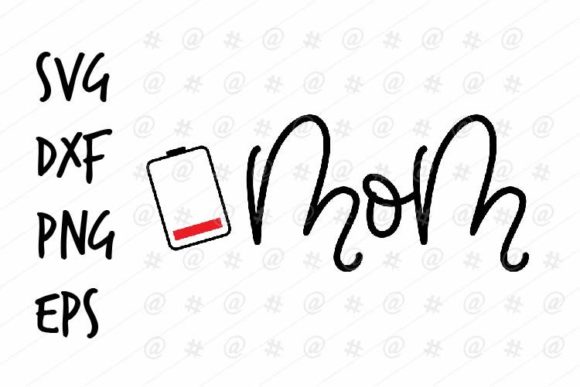
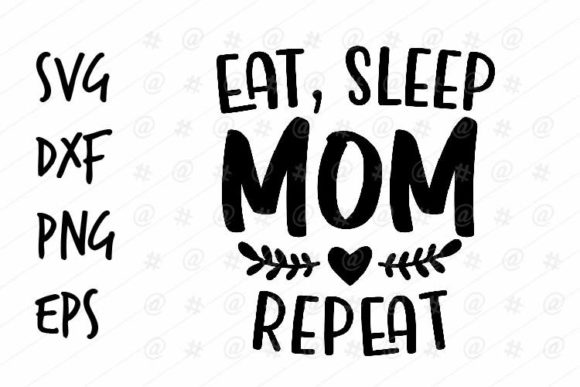
When evaluating the Eat Sleep Mom SVG for potential use in a commercial embroidery workflow, my first assessment focuses on visual hierarchy and emotional resonance. As a designer who regularly reviews graphics for translation into thread, I look beyond the screen preview. This design falls squarely within the Crafts category, but its success as a finished product depends entirely on how well the digital lines convert to physical texture. The phrase itself carries a specific mood—exhausted yet proud, humorous yet relatable. For an Etsy seller or small shop owner, this emotional hook is valuable, but only if the typography supports it.
The layout of this graphic suggests a stacked or linear arrangement typical of modern mom-life merchandise. Visually, it feels approachable and casual. However, as an embroidery file candidate, I immediately scrutinize the lettering weight. Thin, wispy fonts that look elegant on a monitor often disappear or break during stitching. Conversely, overly bold block letters can create bulletproof patches of dense satin stitch that pucker lightweight fabrics. The Eat Sleep Mom SVG appears to strike a balance suitable for casual apparel, provided the digitizer has accounted for fabric pull. The personality of the design leans toward everyday wear rather than formal heirloom pieces, making it ideal for sweatshirt embroidery, tote bag designs, and personalized gifts for new mothers.
Real-World Application: Stitching the Weekend Sweatshirt
To truly judge this asset, I mentally place it in a real-life production scenario. Imagine preparing a custom embroidered sweatshirt for a boutique holiday collection. The goal is a cozy, wearable item that a customer will gift to a friend or keep for themselves. In this context, the Eat Sleep Mom SVG serves as the centerpiece of the garment. Unlike a complex applique design that requires multiple fabric changes and precise trimming, this text-based graphic relies heavily on clean execution and placement.
For a sweatshirt project using fleece or French terry, the fabric texture plays a massive role. These materials have a pile that can swallow fine details. If I were stitching this design today, I would verify that the lettering uses a fill stitch or a wider satin stitch column rather than a simple running stitch. Running stitches on textured knitwear often get lost, reducing legibility and perceived value. A properly digitized version of this design should include adequate underlay to stabilize the stretchy fabric before the top stitches lay down. This ensures the "Mom" text doesn't distort when the wearer moves. For a handmade product intended for sale, this structural integrity is what separates professional commercial embroidery from amateur hobbyist work.
Versatility Across Substrates and Products
While the product description highlights mugs and t-shirts, an experienced maker knows that versatility drives ROI on digital design assets. Beyond standard custom apparel, this graphic has strong potential for nursery decor and baby embroidery projects. On a cotton canvas tote bag, the design can be stitched with high density without fear of puckering, creating a crisp, bold statement piece perfect for craft fairs. However, moving this same design to a baby onesie requires caution. The smaller hoop size and delicate jersey knit demand a lighter touch. You may need to resize the embroidery file or select a variation with reduced stitch density to prevent the fabric from bunching up, which creates an uncomfortable wearing experience for an infant.
For kitchen textiles like tea towels or aprons, the Eat Sleep Mom SVG transitions well due to the stable nature of woven cotton. Here, you can push for higher detail and tighter registration. This makes it a reliable choice for holiday embroidery bundles where customers expect matching sets across different item types. As a digital product seller, offering mockups of this design on varied substrates helps buyers visualize its range, increasing engagement and trust in your brand consistency.
Critical Caution Zones: Where Design Meets Physics
No matter how charming the concept, physics dictates the outcome of any machine embroidery design. There are specific scenarios where the Eat Sleep Mom SVG requires careful handling. Small hoop sizes are the primary adversary of text-based graphics. If you attempt to shrink this design below three inches wide to fit a pocket or sleeve cuff, the internal counters of letters like 'e', 'a', and 'o' may close up completely. Always check the minimum recommended size in your embroidery software before committing to a run.
Fabric choice also dictates success. While great for t-shirts, applying this design to highly elastic performance wear or slippery rayon blends introduces risk. Without proper stabilizer and potentially a spray adhesive, the registration between letters can shift, resulting in a crooked or disjointed appearance. Dark fabrics present another challenge; ensure the thread colors selected provide sufficient contrast. White thread on a navy sweatshirt reads clearly, but heather gray thread on a charcoal shirt will vanish. Always test color combinations in natural lighting, not just under machine LEDs.
- Stretchy Fabrics: Use cut-away stabilizer and consider a topping for knits to prevent stitches from sinking.
- Curved Surfaces: If adapting for caps, verify the design has been digitized specifically for curved hooping; flat designs often distort on hat fronts.
- Tiny Lettering: Avoid resizing below 0.25 inches in height; switch to a specialized small-text font if necessary.
- Frequent Washing: Ensure lock stitches are secure at start and end points to prevent unraveling after laundering.
Professional Workflow Notes for Makers and Sellers
Integrating the Eat Sleep Mom SVG into a craft business requires more than just loading the file. Professionalism lies in the validation process. Before listing any finished product or selling the digital embroidery file itself, conduct a sew-out test on scrap fabric that matches your intended final substrate. Inspect the stitch density; if the area feels stiff or cardboard-like, the density is too high for apparel. If the fabric shows through the stitches, it is too low. Adjustments in your digitizing software may be necessary to achieve that premium handmade feel.
For Etsy sellers and creative entrepreneurs, presentation is paramount. Create printable mockups and digital previews that accurately represent the stitch texture. Customers need to see that this isn't just a flat vector graphic but a tangible embroidered patch or design. Highlight the tactile quality in your photography. Furthermore, always confirm licensing terms. Just because a file is available for purchase does not automatically grant rights to sell unlimited finished items or redistribute the digital assets. Clarifying these boundaries protects your business and respects the original creator.
Ultimately, the Eat Sleep Mom SVG is a strong contender for the modern maker’s library. It taps into a perennial niche with broad appeal. By treating it with technical respect—testing stabilizers, respecting fabric limitations, and ensuring legibility at various sizes—you transform a simple graphic into a high-value commercial embroidery asset. Whether you are producing custom apparel for a local market or building a digital storefront, the difference between a mediocre result and a bestseller often lies in these practical, behind-the-scenes decisions. Trust your needle, test your assumptions, and let the quality of your craftsmanship validate the design’s potential.