Go Ask Your Mom SVG: An Embroidery Designer’s Review
As a professional embroidery designer and product reviewer, I approach every new digital asset with a critical eye. When evaluating the Go Ask Your Mom SVG, my first thought isn't just about how it looks on a screen, but how it will translate into thread on fabric. This design falls squarely within the Crafts and Graphics categories, marketed primarily as an instant download cutting file compatible with machines like Cricut and Silhouette. However, for those of us in the machine embroidery space, this graphic serves as a foundational template that requires careful adaptation before it becomes a viable embroidery file.
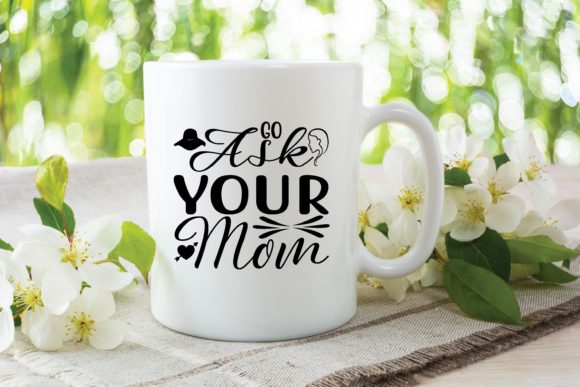
The phrase itself carries a distinct mood: playful, slightly sassy, and universally relatable to parents. Visually, typography-based designs like this rely entirely on balance and legibility. My initial impression is that this artwork has strong potential for custom apparel and personalized gifts, specifically targeting the "mom life" niche. It feels less like a formal boutique logo and more like a conversation starter, making it ideal for casual wear, tote bags, or humorous holiday embroidery projects. The challenge, and the opportunity, lies in converting these clean vector lines into stitches that maintain that crisp, readable personality without becoming too dense or stiff.
Translating Vectors to Stitches: A Real-World Sweatshirt Test
To truly evaluate this design, I mentally walked through a recent client project involving a batch of custom sweatshirts for a mom’s group reunion. The goal was to create a wearable, comfortable garment where the text remained legible from a distance. Using the Go Ask Your Mom SVG as a base, I had to consider stitch density and fabric texture immediately. Sweatshirt fleece is thick and has a nap, which can swallow fine details.
If I were to digitize this directly from the SVG without modification, the result could be disappointing. For a sweatshirt embroidery project, I would likely convert the lettering into a combination of satin stitch for outlines and fill stitch for larger areas, ensuring adequate underlay to prevent the fabric grain from distorting the letters. Alternatively, treating this as an applique design could save thousands of stitches and reduce bulk, making the finished product much more comfortable to wear. In this real-life scenario, the design performs best when scaled appropriately; trying to force this phrase into a tiny 4x4 hoop size might compromise the legibility of words like "Ask" and "Mom," turning what should be a bold statement into an unreadable blur.
Ideal Applications for Commercial and Personal Projects
When considering where this design fits best in a craft business or Etsy seller portfolio, versatility is key. The humor in "Go Ask Your Mom" makes it a high-performing candidate for specific merchandise types:
- Tote Bag Design: Canvas tote bags provide a stable, flat surface perfect for this typography. The contrast of dark thread on natural canvas ensures high visibility, making it a top seller for market days.
- Baby Embroidery: While the phrase is directed at moms, it works ironically and adorably on baby bibs or burp cloths. Here, softness is paramount, so running stitch or lightweight fill stitch is preferable to heavy satin columns.
- Kitchen Textiles: Tea towels and aprons are classic canvases for this sentiment. The design adds value to these functional items, transforming them from basic utilities into personalized gifts.
- Patches and Caps: For an embroidered patch, the design needs a defined border. On caps, the curved surface demands simplified lettering; intricate serifs in the original SVG may need to be smoothed out to prevent needle breaks or registration issues.
For digital product sellers, this SVG is also valuable for creating printable mockups. Before committing to stitching, showing clients a clean digital preview helps manage expectations and confirms layout preferences, saving time and materials during the sampling phase.
Navigating Fabric Limitations and Technical Constraints
Not every fabric is a friend to typography-heavy designs. As an experienced reviewer, I must highlight where caution is necessary. The Go Ask Your Mom SVG, depending on its specific font weight, may struggle on highly textured fabrics like terry cloth or chunky knits unless significant stabilizer is used. Thin, stretchy fabrics like performance polyester require a cut-away stabilizer and potentially a topping to prevent the stitches from sinking or the fabric from tunneling.
Dark fabrics present another hurdle. If the design relies on thin lines, they may disappear against black or navy material. In such cases, increasing the stitch width or adding a contrasting outline becomes necessary. Furthermore, if you are producing commercial embroidery items intended for frequent washing, such as kids' clothing or kitchen linens, durability testing is non-negotiable. Ensure the stitch density is balanced; too dense, and the fabric puckers; too sparse, and the design unravels after three wash cycles. Always check the licensing terms of your specific download to confirm whether selling finished products or modified digital embroidery files is permitted.
Impact on Brand Perception and Product Value
The quality of your stitching directly reflects on your brand. A poorly executed version of Go Ask Your Mom SVG can look amateurish, reducing customer trust and perceived value. Conversely, a professionally digitized version that accounts for fabric behavior elevates the item from a simple craft to a premium handmade product. Buyers engage more readily with listings that show clear, close-up photos of the actual stitch-out rather than just digital renderings.
Visual appeal in embroidery is tactile. When this design is executed well, it communicates professionalism and attention to detail. For small shop products, consistency is vital. If you offer this design across multiple items, ensure the sizing and thread colors remain cohesive to build brand recognition. The relatability of the phrase drives emotional connection, but the technical execution seals the sale. A crisp, clean stitch-out tells the buyer that you respect both the design and the end-user.
Essential Notes for Makers and Digitizers
Before loading this design into your machine or listing it in your shop, adhere to these practical guidelines derived from professional review standards:
- Test Stitch First: Never assume an auto-digitized conversion is production-ready. Always run a test on scrap fabric similar to your final project to check for registration errors or tension issues.
- Verify Compatibility: Remember that the source is a cutting file. Confirm you have properly converted it to a machine-compatible embroidery format (PES, DST, JEF, etc.) and that all nodes are closed if using it for applique.
- Check Contrast: Evaluate thread colors against your chosen fabric in natural lighting. What looks good on a backlit monitor may lack contrast in real life.
- Stabilizer Selection: Match your stabilizer to the fabric weight and design density. Do not skimp on this step, as it is the foundation of a professional finish.
- Licensing Compliance: Re-read the terms included with your instant download. Clarify if the license covers only physical sales or extends to digital redistribution of modified embroidery files.
- Mockup Accuracy: If using printable mockups for Etsy listings, disclose that they are digital representations. Better yet, pair them with a photo of a physical sample to maintain transparency and buyer confidence.
Ultimately, the Go Ask Your Mom SVG is a versatile asset with significant potential for the embroidery community. Its success depends entirely on the maker's willingness to adapt a vector graphic into a textile-appropriate format. By respecting the technical requirements of machine embroidery and understanding the nuances of different substrates, you can transform this simple phrase into a profitable, high-quality addition to your creative repertoire. Whether for a heartfelt personalized gift or a best-selling boutique item, thoughtful execution is what turns a digital file into a cherished finished product.