Gons Are the Anchors: A Designer’s Review
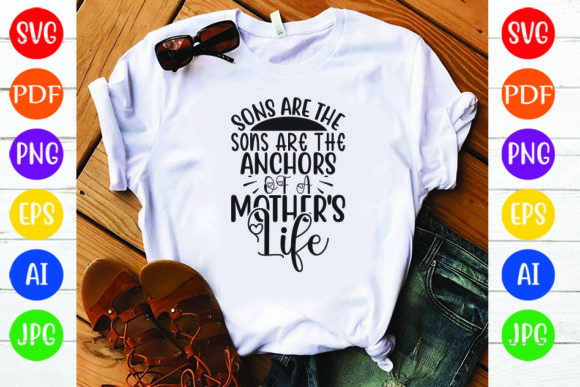
When evaluating a new machine embroidery design for potential inclusion in a commercial lineup or a personalized client project, I look beyond the digital preview. As an experienced designer and product reviewer, my primary concern is always how the artwork translates from screen to fabric. The phrase "Gons Are the Anchors of a Mother's Life" carries significant emotional weight, suggesting a theme of stability, love, and family connection. However, sentiment alone does not guarantee a successful embroidery project. Before committing this concept to a tote bag design, sweatshirt embroidery, or nursery decor, we must assess its technical viability and aesthetic impact in real-world applications.
Evaluating Visual Balance and Emotional Resonance
The first impression of any digital embroidery file dictates its marketability. For a design centered on motherhood and anchoring, the layout must feel grounded yet tender. When I review graphics in the Crafts category intended for family themes, I look for a balance between typography and illustrative elements. If "Gons" refers to a specific name or term of endearment within a family unit, the lettering style becomes paramount. Is it a playful script that suggests childhood innocence, or a structured serif that implies strength and tradition?
In a real-life scenario, imagine preparing a custom personalized gift for a new mother. The visual personality of this design needs to communicate warmth immediately. If the anchor motif is too industrial or sharp, it clashes with the softness of the message. Conversely, if the text is too wispy, it loses the "anchor" metaphor entirely. A successful handmade product relies on this harmony. I often find that designs performing best for Etsy sellers and small shop products are those where the negative space allows the fabric texture to breathe, preventing the design from looking like a heavy, impenetrable patch of thread.
Real-World Application: From Digital File to Finished Product
Let us consider a practical case study: creating a premium canvas tote bag for a boutique merchandise line. Totes are a staple for craft business owners because they offer a large, flat canvas ideal for showcasing detailed Graphics. However, canvas is unforgiving. When stitching "Gons Are the Anchors of a Mother's Life" onto this substrate, I would be assessing the interplay between fill stitch areas and the fabric weave.
If the design utilizes dense satin columns for the anchor shank or bold lettering, the stitch density must be calibrated correctly. Too dense, and the needle perforations will weaken the canvas, causing puckering even with heavy stabilizer. Too sparse, and the fabric grain will show through, making the finished product look amateurish. For custom apparel like sweatshirts or t-shirts, the considerations shift. Knit fabrics stretch; therefore, the design cannot be overly rigid. I would test whether the anchor element distorts when the garment is worn. A design that looks perfect flat but warps on a curved surface fails the wearability test.
For baby embroidery or children’s items, safety and comfort take precedence over visual complexity. If this design is intended for a onesie or bib, the back of the embroidery must be smooth against sensitive skin. This might require using a tear-away backing or a specialized soft stabilizer, which influences how crisp the edges of the applique design can be. As a reviewer, I always ask: Does this design respect the end-user's comfort as much as the viewer's aesthetic experience?
Technical Constraints and Fabric Compatibility
Not every embroidery file is universal. Where should "Gons Are the Anchors of a Mother's Life" be used with caution? Detailed corners and tiny lettering are the enemies of textured fabrics like terry cloth or fleece. If you are planning holiday embroidery on plush stockings or kitchen towels, fine details in the anchor chain or script tails may get lost in the pile. In these instances, simplifying the design or increasing the size is necessary.
Stretchy performance fabrics present another challenge. While the description notes compatibility with cutting machines like Cricut and Silhouette for vinyl applications, translating this to needle and thread requires verification. Vinyl has no grain; fabric does. A design optimized for cutting may lack the necessary underlay stitches required to prevent distortion on jersey knits. Always confirm the file includes proper registration marks and underlay before attempting commercial embroidery on activewear or stretchy baby clothes.
Dark fabrics also demand scrutiny. If the design relies on subtle shading or tone-on-tone stitching, it may vanish on navy or black garments. High contrast is essential for readability. I recommend testing thread colors against dark backgrounds specifically. Sometimes, adding a white outline or running stitch border is necessary to make the anchor pop, which alters the original artistic intent. Understanding these limitations prevents wasted materials and ensures customer trust in your design assets.
Professional Standards for Makers and Sellers
For creative entrepreneurs and Etsy sellers, professionalism is defined by consistency. Before listing a printable mockup or selling a finished item featuring this design, rigorous testing is non-negotiable. Never rely solely on software simulations. Stitch out the design on scrap fabric that matches your intended final product. Check the tension, verify the hoop size accommodates the design without excessive re-hooping, and inspect small details for clarity.
Licensing is equally critical. The product description mentions instant download compatibility for cutting software, but digital embroidery file usage rights differ from SVG cutting rights. You must confirm whether you have permission to sell physical embroidered patches or finished goods commercially. Ambiguity here can jeopardize a craft business. Clear licensing protects both the original artist and the maker.
Finally, consider the value proposition. Does "Gons Are the Anchors of a Mother's Life" elevate the perceived value of the item? A well-executed embroidery design transforms a blank garment into a cherished heirloom. It signals to the buyer that care was taken in selection and execution. Whether used for a wedding gift, a memorial piece, or everyday mom gear, the design serves as a focal point of identity.
Final Designer Notes for Implementation
- Test First: Always stitch a sample on the exact fabric type before starting a paid order or personal keepsake.
- Stabilizer Selection: Match your stabilizer weight to the fabric and stitch count; cutaway for knits, tear-away for wovens.
- Contrast Check: View the design in black and white to ensure tonal values hold up without relying solely on color differences.
- Size Verification: Confirm the design dimensions fit your hoop with adequate clearance for the presser foot.
- Detail Inspection: Zoom in on the digitizing to check for jump stitches that could snag on baby items or delicate linens.
- License Review: Explicitly verify commercial use terms for both digital resale and physical product sales.
- Mockup Accuracy: Ensure printable mockups represent the actual stitch texture rather than just a flat vector overlay to set correct customer expectations.
Ultimately, "Gons Are the Anchors of a Mother's Life" holds promise as a meaningful addition to a maker's repertoire, provided it is approached with technical diligence. By respecting the relationship between thread, fabric, and sentiment, we create products that truly resonate. Whether you are a hobbyist exploring machine embroidery design or a professional scaling your small shop product line, let practical judgment guide your creative decisions. The result will be work that honors the profound message behind the stitches.