Homeschool Mom-SVG: A Designer’s Embroidery Review
As a professional embroidery designer and product reviewer, I approach every new digital asset with a critical eye. When evaluating the Homeschool Mom-SVG for potential use in client projects or shop inventory, my first question is always about translation. How does this graphic vector actually perform when converted into thread? This design captures a specific, relatable niche within the Crafts category, but its success as a finished product depends entirely on technical execution and appropriate application. The mood of this graphic is warm, industrious, and proudly domestic, making it an immediate contender for personalized gifts and custom apparel targeting educators and parents.
First Impressions and Visual Personality
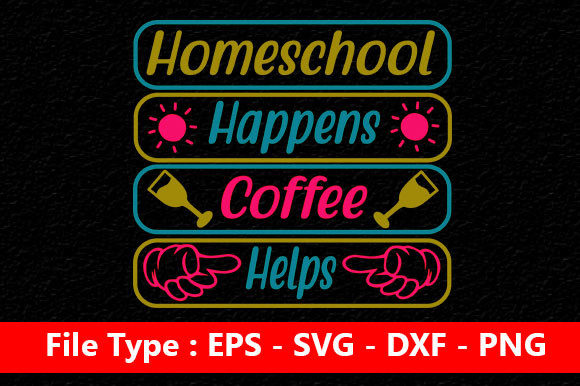
Upon opening the .zip file, the inclusion of SVG, PNG, EPS, DXF, JPEG, and AI files suggests versatility for both digital cutting machines and digitizing software. However, for us in the embroidery space, the visual hierarchy matters most. The Homeschool Mom-SVG presents a balanced composition that feels intentional rather than cluttered. The typography appears legible at various scales, which is crucial because script fonts often fail when reduced for smaller hoop sizes. The iconography associated with homeschooling—whether books, pencils, or hearts—is distinct enough to serve as a recognizable motif without overwhelming the text.
This design assets package feels modern yet nostalgic. It avoids the chaotic energy of some novelty graphics, leaning instead into a clean aesthetic that respects the intelligence of the wearer. For an Etsy seller or small shop product line, this visual clarity translates to trust. Customers can instantly read the message from a distance, which is vital for craft fair displays or thumbnail visibility in online listings. The personality strikes a chord of supportive community, making it ideal for mom groups, co-op merchandise, or appreciation gifts.
Real-World Application: The Custom Sweatshirt Test
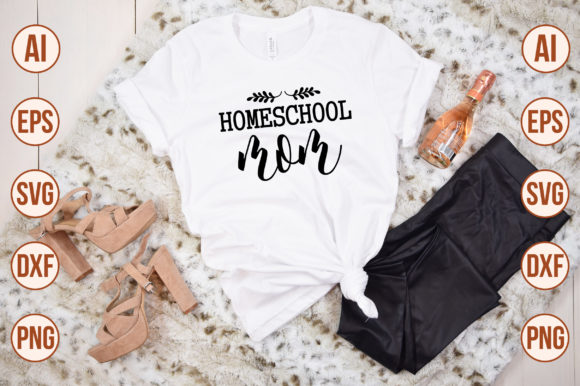
To truly evaluate this machine embroidery design, I mentally placed it onto a heavyweight cotton fleece sweatshirt, a staple in current handmade fashion trends. In this scenario, the Homeschool Mom-SVG serves as a center-chest placement. The challenge here is fabric texture. Fleece has a nap that can swallow fine details. If I were stitching this out today, I would prioritize a bold satin stitch border or a dense fill stitch for the main elements to ensure they sit atop the fabric pile rather than sinking in.
I also considered how this graphic performs as a tote bag design. Canvas totes are unforgiving; they show every tension issue and registration error. Because this SVG likely features mixed media elements (text plus icons), maintaining alignment during the embroidery process is paramount. For a commercial embroidery project involving multiple bags, I would verify that the design’s stitch density isn't so high that it causes puckering on unlined canvas. Conversely, if used for baby embroidery on a onesie, the density must be significantly reduced to prevent the garment from becoming stiff or heavy. This duality highlights why checking your specific embroidery file parameters before production is non-negotiable.
Navigating Fabric Limitations and Hoop Constraints
While the Homeschool Mom-SVG is versatile, it requires careful handling on difficult substrates. Stretchy fabrics like ribbed knits or performance blends pose a risk for distortion. If you plan to use this for custom apparel on activewear or lightweight tees, you must use adequate stabilizer. A cut-away stabilizer is generally superior for stretchy materials to maintain the integrity of the lettering over time. Without proper support, the clean lines of this graphic will warp after the first wash, diminishing the perceived value of your handmade product.
Dark fabrics present another consideration. If the original SVG relies on thin lines or negative space, those details may disappear against navy or black material. In such cases, adding a white underlay or adapting the design to include a background shape can save the project. Additionally, curved surfaces like caps require specialized digitizing. Simply resizing a flat Homeschool Mom-SVG for a hat hoop often leads to gapping or misalignment. Always test on a scrap cap or use a dedicated cap version of the design if available. Small hoop sizes also demand scrutiny; reducing this design below 3 inches may render intricate serif details illegible. In those instances, simplifying the artwork to just the core text or icon is a smarter choice than forcing a complex layout into a tiny space.
Impact on Product Value and Brand Consistency
For creative entrepreneurs, consistency builds brand recognition. Using the Homeschool Mom-SVG across different mediums—from embroidered patches to printable mockups for digital previews—creates a cohesive collection. However, the transition from screen to stitch must be seamless. A pixelated preview or a poorly stitched sample erodes customer confidence. When this design is executed well, with crisp edges and appropriate thread colors, it elevates the item from a simple craft to a boutique-quality good.
The emotional resonance of this design also drives buyer engagement. It validates the identity of the homeschool parent, turning a garment into a statement piece. This emotional connection allows for higher price points compared to generic designs. Whether you are creating holiday embroidery for family photos or year-round teacher appreciation items, the relevance of the content adds intrinsic value. Just ensure that your presentation matches the sentiment; a messy backside or loose jump stitches on a gift meant to honor dedication sends the wrong message.
Essential Technical Notes for Makers
Before listing any finished product derived from the Homeschool Mom-SVG, adhere to these professional best practices:
- Verify Licensing: Confirm whether your purchase includes commercial rights for selling physical embroidered goods versus digital files. Never assume; check the specific license terms provided with the download.
- Test Stitch-Outs: Always run a test on the exact fabric and stabilizer combination you intend to sell. What works on quilting cotton may fail on denim.
- Check Thread Contrast: View your thread color choices in natural light. Low-contrast combinations (e.g., grey thread on heather grey fabric) look elegant in digital mockups but vanish in real life.
- Inspect Small Details: Zoom in on your digitized file. Ensure running stitches aren't too short (causing needle holes) or satin stitches too wide (causing looping).
- Mockup Accuracy: Use realistic printable mockup templates that reflect actual stitch texture. Misleading customers with flat vector images when selling textured embroidery leads to returns and negative reviews.
- Wash Testing: If selling baby embroidery or kitchen textiles, wash and dry your test piece to ensure the design holds up to frequent laundering without fraying.
The Homeschool Mom-SVG offers significant potential for makers who respect the technical demands of textile art. By treating this graphic not just as a cute image but as a blueprint for construction, you ensure that every sweatshirt embroidery, tote bag design, or personalized gift meets the high standards your customers expect. Success lies in the details: the right stabilizer, the correct hoop size, and the honest assessment of how digital lines translate to physical thread. Approach this design with craftsmanship, and it will become a reliable asset in your creative business toolkit.