Mom Heart Tattoo: An Embroidery Design Review
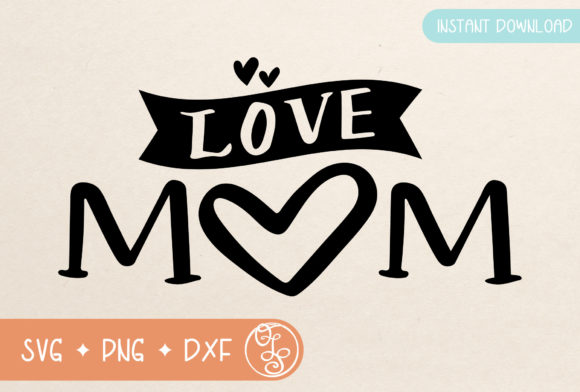
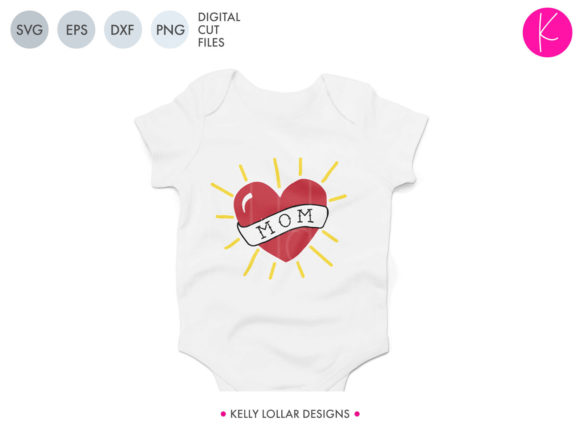
As a professional embroidery designer and product reviewer, I approach every new machine embroidery design with a critical eye toward stitchability and marketability. When evaluating the Mom Heart Tattoo graphic for real-world application, my primary focus is how this digital asset translates from screen to fabric. This design features a tattoo-style heart with a hand-lettered "Mom" banner, specifically marketed as a fun, non-permanent take on classic ink art for kids. From a technical and aesthetic standpoint, this piece offers significant versatility for craft business owners and makers, provided it is executed with an understanding of its stylistic nuances.
Visual Personality and First Impressions
The immediate appeal of the Mom Heart Tattoo lies in its juxtaposition of edgy tattoo aesthetics with soft, maternal sentiment. Visually, it strikes a balance that feels nostalgic yet modern. For an Etsy seller or boutique owner, this mood is crucial. It avoids looking like generic clip art and instead presents as intentional, curated artwork. The hand-lettered banner adds an organic flow that rigid fonts often lack, which is essential when digitizing for embroidery where natural curves mimic thread paths better than straight lines.
One of the most practical features noted in the product description is the ability to use the design with or without outside accents. As a reviewer, I value this modularity immensely. In Graphics and Crafts, having options within a single embroidery file allows for greater adaptability across different products. The full version with accents works beautifully as a standalone statement piece, while the simplified heart-and-banner version is ideal for smaller applications where detail might be lost.
Real-World Application: Stitching a Custom Sweatshirt
To truly evaluate this design, I mentally placed it in a specific production scenario: creating a custom embroidered sweatshirt for a Mother’s Day capsule collection. Sweatshirt fleece is a common substrate for custom apparel, but it presents challenges due to its texture and stretch. The Mom Heart Tattoo, with its bold lines and defined shapes, is theoretically well-suited for this medium because the design elements are distinct enough to read clearly against the nap of the fabric.
In this scenario, I would treat the heart as either a dense fill stitch area or potentially an applique design if the file supports it. Using applique here could reduce stitch count and add a tactile fabric element that enhances the "tattoo" look without the heaviness of solid embroidery. The hand-lettered banner would likely require a smooth satin stitch or a textured running stitch to maintain legibility. If I were producing this as a handmade product, I would position the design slightly above the center chest rather than dead-center, as this placement feels more contemporary and flattering on adult apparel. For a tote bag design, however, center placement maximizes visibility and aligns with shopper expectations for graphic merchandise.
Navigating Fabric Constraints and Hoop Sizes
While the Mom Heart Tattoo is versatile, it requires careful consideration regarding substrate selection. Tattoo-style art relies heavily on line clarity. On highly textured fabrics like terry cloth or chunky knits, fine details in the banner lettering or heart shading can disappear. I advise using a tear-away or cut-away stabilizer appropriate for the fabric weight to prevent distortion. If you are working with stretchy jersey for baby embroidery, a fusible backing is non-negotiable to keep the heart shape from warping during wear and washing.
Hoop size is another critical variable. Because this design includes optional outer accents, users must verify the dimensions before purchasing. A 4x4 hoop might accommodate the inner heart and banner perfectly, but the full design with accents likely requires a 5x7 or larger field. Always check the specific dimensions of the digital embroidery file against your machine’s capabilities. Attempting to shrink a complex design to fit a smaller hoop often results in overlapping stitches and illegible text, compromising the quality of the finished product.
Dark fabrics also demand attention. Traditional tattoo art uses black outlines, which vanish on navy or black garments. If your target demographic prefers dark sweatshirt embroidery, plan to use a light-colored outline or a negative-space technique. Test your thread colors against the garment first; what looks high-contrast on a computer monitor may blend together once stitched.
Commercial Viability and Product Value
For those running a small shop product line or selling at craft fairs, the Mom Heart Tattoo has strong commercial potential. Its specific niche—mom-centric tattoo art—resonates with buyers looking for alternative parenting merchandise that isn't overly cutesy. This design elevates perceived value because it looks like custom illustration rather than stock vector art. When used in commercial embroidery, consistency is key. Ensure your stitch density is optimized so that the hundredth sweatshirt looks as crisp as the first.
This design also serves well for personalized gift markets. While the base design says "Mom," the style invites customization. Makers could easily pair this embroidery project with a name or date below the banner. However, always confirm licensing terms before selling. Some design assets allow for finished physical sales but prohibit distributing the digital file itself. Clarifying this protects your business and respects the original digitizer’s rights.
Designer Notes for Optimal Results
Before committing the Mom Heart Tattoo to a final production run, adhere to these practical testing protocols:
- Test on Scrap Fabric: Never stitch directly onto a sellable item without a test run. Use a scrap of the exact material and stabilizer combination intended for the final piece to check for puckering or registration issues.
- Review Stitch Types: Inspect the file in your editing software. Ensure the banner lettering isn’t composed of tiny satin stitches that might pull out. Running stitches often render hand-lettering more authentically than satins.
- Mockup Validation: Create a printable mockup or digital preview to visualize scale. Seeing the design at actual size relative to a garment template helps avoid placing a massive heart on a toddler’s chest or a tiny one on an adult tote.
- Wash Testing: Tattoo styles often involve bold outlines. Wash and dry your test swatch to ensure the outline doesn’t separate from the fill or applique after laundering. This is especially vital for holiday embroidery items meant to be heirlooms.
- Contrast Check: View your thread palette in grayscale. If the design loses definition without color, adjust your values. Good embroidery relies on tonal contrast, not just hue variation.
Final Verdict for Makers
The Mom Heart Tattoo stands out as a thoughtful addition to any maker’s library of design assets. It bridges the gap between trendy tattoo culture and heartfelt family sentiment, making it highly relevant for today’s Etsy seller and apparel decorator. Its modular nature allows for creative flexibility across various hoop sizes and products, from embroidered patches to nursery decor. By respecting the technical requirements of stitch density, stabilization, and fabric choice, crafters can transform this digital graphic into a professional-quality finished product that delights customers and showcases genuine embroidery expertise. Always remember that successful commercial embroidery stems from understanding both the art and the engineering behind the stitches.