My Hero Calls Me Mom SVG: An Embroidery Review
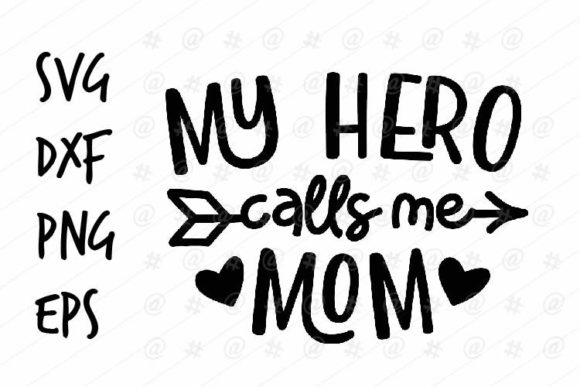
As a professional designer who spends countless hours digitizing, testing, and reviewing assets for commercial embroidery, I approach every new graphic with a critical eye. When evaluating the My Hero Calls Me Mom SVG, my first thought isn't just about the sentiment; it is about how those vector lines will translate into physical stitches on fabric. This design falls squarely within the Crafts and Graphics categories, but for us makers and Etsy sellers, its true value lies in its versatility as a machine embroidery design foundation. The phrase carries immediate emotional weight, evoking a sense of pride and tenderness that resonates deeply with mothers. Visually, designs featuring this text usually employ clean, legible typography paired with subtle iconography like hearts or capes, creating a layout that feels balanced rather than cluttered. For a handmade product, this balance is essential because it dictates where the eye lands and how the finished piece reads from a distance.
Translating Vectors to Stitches on Custom Apparel
I recently prepared a custom apparel order for a client who wanted matching sweatshirts for a Mother’s Day photoshoot. She specifically requested the "My Hero" theme, making this SVG the perfect candidate for adaptation. In this real-life scenario, the goal was to create a sweatshirt embroidery piece that looked boutique-quality rather than homemade. Because the original file is an SVG, it served as an excellent digital embroidery file reference for redigitizing. I opted to convert the main text into a satin stitch border with a lightweight fill stitch center to keep the garment soft. The smaller accent details were executed with a running stitch to maintain clarity without adding excessive bulk.
The result was a personalized gift that felt substantial yet wearable. For small shop products or craft business inventory, this specific application proves that the design scales beautifully on mid-weight fabrics. However, when using this for t-shirts, you must adjust your strategy. T-shirt knits are unforgiving. If you attempt to stitch the full design at a large scale on thin jersey cotton without proper modification, you risk puckering. I recommend resizing the artwork for left-chest placement on tees, utilizing a tear-away stabilizer and perhaps a water-soluble topping to prevent the stitches from sinking into the fabric texture. This attention to technical detail is what separates a professional commercial embroidery outcome from a hobbyist attempt.
Navigating Fabric Limitations and Hoop Constraints
While the My Hero Calls Me Mom SVG is marketed as great for mugs and t-shirts, embroidery designers know that not all surfaces are created equal. When adapting this graphic for curved surfaces like caps or hats, caution is required. The linear nature of the text can distort on a curved brim if not properly arced during the digitizing process. Always test the curve alignment before committing to a production run. Similarly, textured fabrics like terry cloth towels or fleece blankets present their own challenges. The intricate details of any accompanying hero icons can get lost in the pile of the fabric. In these cases, simplifying the design or increasing the stitch density slightly ensures the message remains readable.
Dark fabrics also demand careful consideration. If you are stitching white thread on a navy sweatshirt, ensure your underlay is sufficient to prevent the dark fabric from showing through the stitches. Conversely, on stretchy performance wear, the design needs to move with the fabric. A dense satin stitch column might cause tunneling on spandex blends. Here, converting elements to an applique design could be a smarter choice, reducing stitch count while maintaining visual impact. Always verify your hoop size limitations before starting; this design likely requires at least a 4x4 hoop for legibility, but checking the actual dimensions of your converted embroidery file prevents frustrating mid-project stops.
Elevating Product Value and Customer Trust
For Etsy sellers and creative entrepreneurs, the presentation of this design directly influences buyer engagement. A crisp, well-executed stitch-out builds customer trust far more effectively than a generic digital mockup. When listing this as part of your design assets or finished product catalog, photograph the actual embroidered item on a model or flat lay. Show the texture. Buyers want to see how the "Mom" script flows and whether the spacing feels professional. This transparency reduces returns and increases perceived value.
Furthermore, consider the giftability factor. This design is inherently personal. When used for holiday embroidery or baby embroidery projects (perhaps for a mom-to-be), the emotional connection drives sales. However, professionalism matters. Ensure your thread colors match the mood; pastel threads convey softness for nursery decor, while bold primaries suggest a playful superhero theme. Consistency in your color palette across different items helps establish brand recognition for your boutique. Whether you are selling the physical tote bag design or the digital file itself, the quality of execution reflects on your entire business.
Essential Designer Notes for Successful Execution
Before you load this design into your machine or list it in your shop, run through this practical checklist derived from years of production experience:
- Test Stitch First: Never assume a digital preview equals reality. Always sew out the My Hero Calls Me Mom SVG conversion on scrap fabric identical to your final project to check tension and registration.
- Verify Licensing: Confirm whether your purchase includes commercial rights for selling finished embroidered goods versus just personal use. This is non-negotiable for craft business owners.
- Check Contrast: View your thread color choices in natural light. What looks good on a screen may lack contrast on fabric, especially for tone-on-tone embroidery.
- Stabilizer Selection: Match your stabilizer to the fabric weight. Cut-away for knits and stretchy materials; tear-away for stable wovens. Using the wrong type is the most common cause of poor results.
- Mockup Accuracy: If using printable mockups for digital sales, ensure they accurately represent the stitch direction and texture. Misleading previews damage reputation.
- Detail Inspection: Zoom in on small lettering. If characters are under 0.25 inches tall after resizing, they may need to be simplified or removed to prevent thread breaks and illegibility.
- Wash Testing: For items like aprons or kitchen towels that face frequent laundering, test wash your sample to ensure the stabilizer dissolves completely and stitches hold up.
Ultimately, the My Hero Calls Me Mom SVG offers immense potential for makers willing to respect the technical requirements of embroidery. It bridges the gap between digital graphics and tangible, heartfelt gifts. By approaching this design with a technician's mindset and a crafter's heart, you transform a simple vector file into a cherished keepsake. Whether you are decorating a mug, stitching a sweatshirt, or building a seasonal collection, let practical judgment guide your needle. The best embroidery projects aren't just made; they are engineered with care, ensuring that when a mother receives her gift, she sees only the love stitched into it, not the struggle behind the scenes.