Pumpkin Queen SVG: A Designer’s Embroidery Review
As a professional embroidery digitizer and product reviewer, I approach every new design file with a healthy dose of skepticism. The market is flooded with graphics that look stunning on a screen but fail catastrophically under the needle. When I first opened the Pumpkin Queen SVG, Halloween SVG package, my immediate focus was not just on the aesthetic appeal for vinyl cutting, but on its structural integrity for machine embroidery conversion. For fellow Etsy sellers, apparel decorators, and craft business owners, understanding how this digital asset translates from a vector graphic to a stitched reality is crucial for maintaining product quality and customer trust.
First Impressions: Visual Personality and Stitch Potential
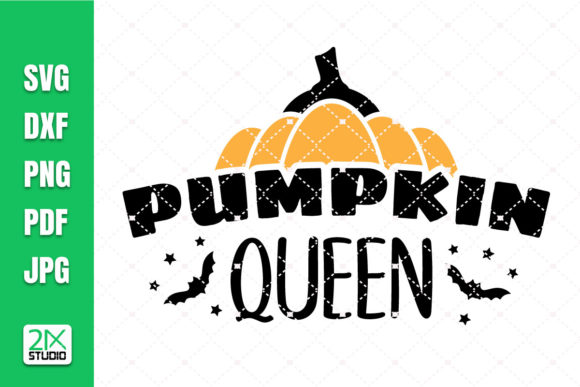
The initial mood of this design strikes a perfect balance between playful and regal. It avoids the overly cutesy trap that many Halloween graphics fall into, instead offering a bold, confident silhouette that appeals to adult demographics and teen markets. As I analyzed the lines, I found myself mentally mapping out stitch types. The clean vectors suggest excellent potential for both applique design work and traditional fill stitch rendering. Unlike intricate illustrations with excessive gradients or tiny details that get lost in thread, this graphic possesses the visual weight necessary for embroidery.
For a handmade product creator, this visual clarity is a massive advantage. It reads well from a distance, which is essential for custom apparel and tote bag designs intended for fall festivals or seasonal photoshoots. The typography integration feels organic rather than forced, meaning that if you are converting this into an embroidery file, the text elements likely won't require aggressive simplification that compromises legibility.
Real-World Application: The Sweatshirt Test Scenario
To truly evaluate this asset, I considered a specific client project: a premium heavyweight sweatshirt for a boutique’s "Halloween Squad" merchandise line. This is a high-stakes application where stitch density and fabric texture interact dynamically. Fleece and French terry fabrics have a pile that can swallow fine details. In this scenario, the Pumpkin Queen SVG performs exceptionally well because of its bold geometry.
When planning this sweatshirt embroidery, I envisioned using a cutaway stabilizer to manage the stretch of the knit fabric without distorting the pumpkin shape. The design’s layout allows for a centered chest placement or a larger back print without feeling unbalanced. For an Etsy seller, this versatility means one digital purchase can yield multiple SKU variations. I could easily see this working as a left-chest logo on a denim jacket, a full-back design on a hoodie, or even as an embroidered patch for caps. The key here is that the design respects the negative space, preventing the dreaded "bulletproof vest" effect where dense stitching makes the garment stiff and unwearable.
Navigating Fabric Limitations and Hoop Constraints
While the design is versatile, practical judgment requires acknowledging where it might struggle. If you are attempting baby embroidery on thin cotton onesies, caution is advised. The sheer density required to make the "Queen" aspect pop may be too heavy for lightweight knits unless you significantly modify the stitch count or utilize a lighter applique method. Always test on scrap fabric that matches your final substrate before committing to a production run.
Curved surfaces like caps present another challenge. While the graphic is bold, horizontal text elements in the original SVG may need to be arched or repositioned to accommodate the curve of a hat frame. Similarly, when working with textured fabrics like burlap tea towels or canvas tote bags, running stitch outlines may disappear into the weave. In these cases, increasing the stitch width or adding an underlay becomes mandatory. For dark fabrics, ensure your thread colors provide sufficient contrast; a black satin stitch on a navy sweatshirt will look muddy regardless of how good the digitizing is. Always preview your colorway in software or via physical thread samples against the actual garment material.
Commercial Viability and Brand Consistency
For small shop product lines and commercial embroidery businesses, consistency is currency. This design offers a cohesive aesthetic that pairs well with other seasonal graphics, allowing you to build a recognizable brand identity. However, professionalism extends beyond the stitch-out. Before listing any finished product derived from this file, you must verify the licensing terms included with the digital embroidery file. Confirm whether the license covers physical product sales, digital mockup usage, or modification rights.
Customer trust is built on presentation. Use printable mockups that accurately represent the scale and texture of the embroidery. If the Pumpkin Queen SVG is used for a personalized gift, such as a custom apron for a baking enthusiast, ensure the personalization font complements the main graphic’s style. Clashing fonts devalue the perceived worth of the item. High-quality photography of the actual stitched sample, rather than just digital renders, significantly boosts buyer engagement and reduces return rates due to unmet expectations.
Critical Technical Notes for Makers
Transitioning from a cutting file to an embroidery project requires diligence. Here are my non-negotiable checks for this specific design:
- Verify File Compatibility: Although marketed as an SVG/PNG/DXF bundle for Cricut, confirm the inclusion of native embroidery formats (PES, DST, EXP, etc.) or budget time for professional digitizing. Do not rely on auto-digitize features for complex lettering.
- Stitch Density Audit: Inspect the fill stitch areas. If they exceed 0.4mm spacing on standard fleece, add underlay. If they are too tight on jersey, reduce density to prevent puckering.
- Small Detail Check: Measure the smallest text or accent elements. Anything under 4mm height risks becoming illegible after washing. Simplify or remove these elements for smaller hoop sizes.
- Stabilizer Matching: Pair tear-away stabilizers only with stable woven fabrics. Use cut-away for all stretchy apparel to maintain registration over time.
- Wash Testing: For items requiring frequent laundering like kitchen towels or baby clothes, perform a wash test. Satin stitches should hold their edge without fraying, and fill stitches should not distort the fabric grain.
- Mockup Validation: Create black and white test prints to evaluate value contrast independent of color. If the design relies solely on color differentiation rather than value, it will fail on monochromatic garments.
Final Verdict for Creative Entrepreneurs
The Pumpkin Queen SVG, Halloween SVG stands out as a robust foundation for seasonal merchandise, provided it is treated with the technical respect embroidery demands. Its strength lies in its adaptable silhouette and commercial-friendly aesthetic. Whether you are creating holiday embroidery for a craft fair or developing a signature collection for your online store, this graphic offers substantial creative mileage. Success ultimately depends on your willingness to test, adjust, and validate the design against real-world materials. By prioritizing stitch quality and fabric compatibility over speed, you transform a simple digital file into a premium handmade product that customers will cherish long after the season ends.