Quarantined Mom SVG: An Embroidery Design Review
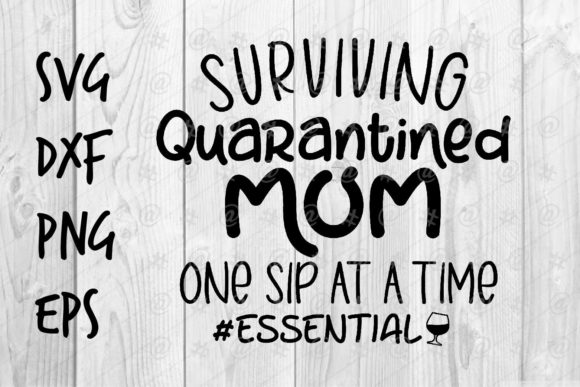
As a professional embroidery digitizer and product reviewer, I approach every new graphic with a specific question: will this actually stitch out well on a physical product? When evaluating the Quarantined Mom SVG for my latest batch of custom apparel, I looked past the digital preview to assess its real-world viability. This design falls squarely into the Crafts category, but as Graphics intended for production, it requires a critical eye. The phrase itself carries a distinct mood—a blend of humor, resilience, and relatable parenting chaos. Visually, the layout suggests a bold statement piece rather than a subtle accent. For small business owners and Etsy sellers, this type of thematic design can be a strong performer because it targets a specific emotional niche, but only if the execution supports the sentiment.
First Impressions and Visual Personality
My initial assessment of the Quarantined Mom SVG focused on its visual weight and typographic hierarchy. In embroidery, negative space is just as important as the stitches themselves. This design appears optimized for readability at a glance, which is crucial for custom apparel like sweatshirts or tote bags where the viewer is often moving. The personality here is unapologetically casual. It does not feel formal or delicate; it feels lived-in. As a machine embroidery design, this suggests that clean lines and solid coverage will work better than intricate filigree. The mood dictates the application: this is not a nursery heirloom piece, but rather a fun, functional item for daily wear or use. For creative entrepreneurs, recognizing this distinction prevents mismatched marketing. You are selling a vibe of solidarity and humor, so the finished product must reflect that sturdy, approachable aesthetic.
Real-World Application: The Sweatshirt Test
To truly evaluate this asset, I mentally placed it in a real-life scenario: preparing a custom embroidered sweatshirt for a client who wanted a funny gift for her sister. Sweatshirt fleece is a common substrate for this theme, but it presents challenges. The fabric texture is plush and can swallow fine details. When reviewing the Quarantined Mom SVG for this project, I had to consider how the lettering would interact with the nap of the fabric. If the design relies on thin running stitches, they might get lost. However, if the file utilizes satin stitch columns or fill stitch areas with adequate width, the text will pop against the fleece.
In this case study, the design serves as a centerpiece for a holiday gift or a boutique product listing. Customers reacting to this on an Etsy shop are looking for immediate recognition. They need to read "Quarantined Mom" instantly in a thumbnail photo. This means the embroidery file needs sufficient density to create a crisp edge that photographs well. A washed-out stitch-out looks unprofessional in digital product previews. By ensuring the design has enough substance to stand up to the fabric texture, the handmade product gains perceived value. It transforms from a simple novelty into a quality garment that justifies a higher price point.
Navigating Fabric Constraints and Hoop Sizes
While the Quarantined Mom SVG is marketed as great for mugs and t-shirts, embroidery requires different considerations than sublimation or vinyl. T-shirt knit is stretchy and unstable. Before loading this digital embroidery file into my machine, I would scrutinize the stitch density. Overly dense designs on lightweight jersey can cause puckering or fabric distortion, ruining the drape of the shirt. Conversely, if the design is too sparse, it may look cheap. For t-shirts, using a proper stabilizer is non-negotiable. I recommend testing on scrap fabric first to see if the design pulls or gaps.
Hoop size is another practical limitation. If you plan to use this for smaller items like baby clothes or caps, verify the dimensions immediately. A design optimized for a mug wrap or a large chest print may not scale down effectively for a 4x4 hoop without losing legibility. Tiny lettering is the enemy of commercial embroidery. If the Quarantined Mom SVG contains intricate script or small serif details, it may need editing before it can be used on curved surfaces like caps or textured items like kitchen towels. Always confirm the minimum viable size before committing to a production run for your craft business.
Strategic Placement and Product Value
Where you place this design matters as much as the stitching itself. For a tote bag design, center chest or full-front placement works best because the canvas is flat and stable. However, if you are adapting this for an apron or pillow cover, consider the sightline. On an apron, the design should sit high enough to be visible when worn, not hidden behind a counter edge. For personalized gifts like tea towels, ensure the design orientation matches the fold and hang of the fabric.
From a business perspective, using the Quarantined Mom SVG correctly enhances brand consistency. If your shop specializes in polished, durable goods, a poorly stabilized or incorrectly sized stitch-out undermines customer trust. Buyers engage with listings that show clear, close-up photos of the actual embroidery, not just printable mockups. Showing the texture of the satin stitch or the sheen of the thread colors builds confidence. This design has high giftability potential because it speaks to a shared experience, but that potential is only realized when the technical execution matches the emotional appeal. Professionalism in stitching translates directly to buyer engagement and repeat sales.
Critical Designer Notes for Success
Before adding this to your inventory of design assets, run through this practical checklist to ensure success in both personal and commercial embroidery projects:
- Verify Licensing: Always confirm whether the Quarantined Mom SVG license permits selling finished products or if it is restricted to personal use. This is vital for Etsy sellers and small shop owners.
- Test Stitch-Out: Never skip the test run. Use scrap fabric similar to your final product to check for registration issues, thread breaks, or density problems.
- Check Contrast: Review thread colors against both light and dark fabric backgrounds. White text on white fabric disappears; ensure there is enough contrast for readability.
- Stabilizer Selection: Match your stabilizer to the fabric weight. Stretchy knits need cut-away support; woven fabrics may suffice with tear-away.
- Mockup Accuracy: If using printable mockups for digital product previews, ensure they accurately represent the stitch texture. Misleading images lead to returns.
- Scale Appropriately: Do not force a large design into a small hoop. If the Quarantined Mom SVG is too big for baby embroidery or patches, find a scaled version or edit the file responsibly.
- Wash Testing: If selling custom apparel intended for frequent washing, test the durability. Ensure the stitch density holds up to laundering without fraying.
Evaluating Long-Term Viability
The Quarantined Mom SVG captures a specific moment in time, which makes it a trendy but potentially ephemeral asset. As a designer, I advise considering the longevity of the theme. While currently relevant for holiday embroidery or niche humor, think about how this design fits into your broader catalog. Does it complement your existing style? Can it be paired with other graphics to create a collection? For commercial embroidery, trend-based designs drive quick sales, but evergreen quality keeps customers returning.
Ultimately, this design offers excellent potential for makers who understand their medium. It bridges the gap between digital graphics and tangible crafts effectively, provided the user respects the limitations of thread and fabric. Whether you are creating a personalized gift for a friend or stocking your handmade shop for the season, treat the Quarantined Mom SVG as a raw material that requires skill to refine. The difference between a mediocre result and a bestseller lies in the attention to detail during the digitizing and stitching process. Respect the craft, test your assumptions, and let the quality of your finished product speak for itself.