Basketball Heartbeat SVG: A Designer's Stitch Review
As a professional embroidery designer and product reviewer, I approach every new digital asset with a critical eye. When evaluating the Basketball Heartbeat SVG, my first thought isn't just about how it looks on a screen, but how it will translate through the needle. This design sits at the intersection of sports enthusiasm and sentimental craftsmanship, making it a staple for Crafts and Graphics categories. However, transitioning from a vector graphic to a tangible machine embroidery design requires understanding the nuances of stitch physics, fabric behavior, and market appeal. In this review, I am breaking down exactly how this heartbeat motif performs in real-world production scenarios for small business owners and makers.
First Impressions: Visual Rhythm and Emotional Resonance
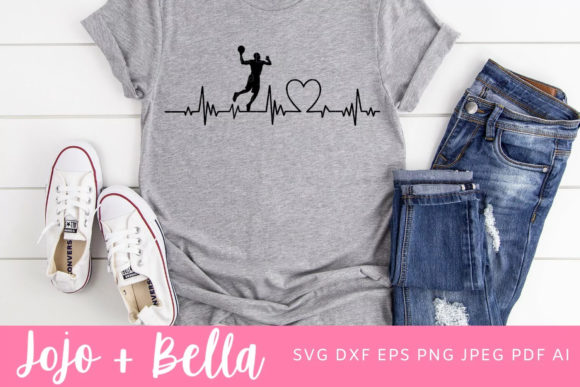
The immediate strength of the Basketball Heartbeat SVG lies in its narrative simplicity. Visually, it combines the recognizable texture of a basketball with the universal symbol of life and passion: the EKG line. For an Etsy seller or boutique owner, this duality is gold. It speaks directly to the "Basketball Mom" demographic while remaining gender-neutral enough for players and coaches. The layout typically features a horizontal flow, which is aesthetically pleasing across the chest of a sweatshirt or centered on a tote bag.
From a digitizing perspective, the mood is energetic yet clean. Unlike complex scenic designs, this graphic relies on bold lines and distinct shapes. This makes it highly versatile as a digital embroidery file. It doesn't feel cluttered, which is crucial when scaling down for baby items or scaling up for adult apparel. The visual personality strikes a balance between athletic grit and handmade warmth, suggesting that the finished product will be perceived as a personalized gift rather than generic merchandise.
Real-World Application: The Custom Sweatshirt Test
To truly judge this asset, I mentally placed it in a current production scenario: creating a custom crewneck sweatshirt for a youth basketball team fundraiser. Sweatshirt fleece is a forgiving but tricky fabric; it has loft and stretch that can distort fine details. Here, the Basketball Heartbeat SVG shines because of its linear nature.
When adapting this for sweatshirt embroidery, the heartbeat line serves as an excellent candidate for a sturdy satin stitch or a dense fill stitch, depending on the width. If the source file allows for modification, I recommend ensuring the EKG line is wide enough to accommodate at least three passes of thread to prevent sinking into the fleece pile. The basketball element itself offers a chance to utilize texture. If the design includes the pebbled texture of a ball, verify whether it is rendered as a fill stitch pattern or merely an outline. For commercial embroidery on garments that will be washed frequently, a textured fill holds up better than intricate running stitches that might snag.
For this specific project, the design’s horizontal orientation fits perfectly above the cuff or across the upper chest. It creates a professional look that parents are willing to pay a premium for, elevating the perceived value of the handmade product.
Navigating Fabric Variables and Hoop Limitations
While the Basketball Heartbeat SVG is versatile, it demands respect for fabric mechanics. Not all surfaces are created equal, and your choice of stabilizer will dictate the success of this design.
- Stretchy Knits and Performance Wear: Basketball themes often lead crafters toward polyester jerseys or moisture-wicking tees. These fabrics are unstable. You must use a cut-away stabilizer to prevent the heartbeat line from warping after washing. A tear-away will not suffice here, as the tension of the satin stitches will pull the knit out of shape.
- Textured Fabrics: If applying this to a towel or terry cloth for a gym bag, the detail in the basketball seams may get lost. Consider using a water-soluble topping to keep the stitches crisp and visible above the fabric loops.
- Small Hoop Sizes: For baby embroidery on onesies, you may need to resize the design significantly. Be cautious. Reducing a heartbeat line below 4mm in width can cause thread breaks or tunneling. Always check the minimum safe stitch width before committing to tiny garments.
- Curved Surfaces: Placing this on a cap is challenging due to the horizontal span. The curvature of a hat brim can distort straight lines. If using this for headwear, ensure you have a specialized cap hoop and consider splitting the design or arcing it slightly to match the crown's contour.
Commercial Viability and Brand Consistency
For creative entrepreneurs, the Basketball Heartbeat SVG is more than a single project; it is a scalable asset. Its clean geometry makes it ideal for branding consistency across different products. You can use the same design logic for an embroidered patch, a vinyl decal on a water bottle, and a printed mockup for social media. This cohesion builds trust with buyers who recognize your shop's aesthetic.
However, professionalism requires due diligence. Before listing any item derived from this Basketball Svg, confirm the licensing terms. Does the purchase include commercial rights for physical products? Can you sell the digital file itself (usually no)? Understanding these boundaries protects your craft business. Furthermore, when creating printable mockups for your listings, ensure the digital representation matches what your machine actually produces. Misleading customers with overly smooth vector previews when the actual stitch-out has texture leads to returns and negative reviews.
Designer Notes: Technical Checks Before Stitching
Experience has taught me that assumptions are the enemy of quality embroidery. Whether you are a hobbyist or a high-volume producer, follow these practical steps when working with the Basketball Heartbeat SVG:
- Test on Scrap First: Never run this design on a final garment without a test stitch-out. Use a scrap of the exact fabric and stabilizer combination you intend to use. Check for registration issues where the heartbeat line meets the basketball.
- Evaluate Stitch Density: Open the embroidery file in your software. Is the density appropriate for your chosen fabric? High-density fills on lightweight cotton will cause puckering. Low-density satins on dark fabric will show gaps. Adjust as necessary.
- Thread Color Contrast: This design relies on silhouette recognition. Test it in both high-contrast (white on black) and low-contrast (orange on heather grey) scenarios. Ensure the heartbeat remains legible in all intended colorways.
- Check Small Details: Inspect the seams of the basketball illustration. Are they running stitches or satin columns? Running stitches under 2mm are prone to breaking. If they are too thin, widen them manually or remove them for smaller sizes.
- Verify Compatibility: Ensure the file format matches your machine. While labeled as SVG for cutting machines, embroidery machines require DST, PES, JEF, or similar formats. Do not assume the SVG cuts file is stitch-ready without conversion.
Final Verdict for Makers and Sellers
The Basketball Heartbeat SVG earns its place in a professional digitizer’s library through its adaptability and emotional connection. It bridges the gap between technical sports gear and sentimental keepsakes, offering a wide runway for personalized gifts and small shop products. Success with this design comes down to respecting the medium: proper stabilization, mindful resizing, and rigorous testing.
When executed correctly, this design transforms simple textiles into meaningful statements. It validates the time and investment put into custom apparel and reinforces the quality associated with handmade goods. For those willing to apply these technical insights, the Basketball Heartbeat SVG is not just a graphic; it is a reliable foundation for profitable and cherished embroidery projects.