Distressed Volleyball Mom: A Designer’s Stitch Review
First Impressions: Capturing the Gritty Spirit of Game Day
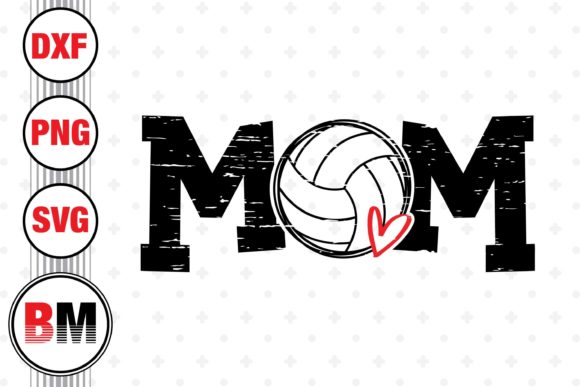
When I first loaded the Distressed Volleyball Mom file into my digitizing software, I wasn't just looking at a graphic; I was evaluating a potential bestseller for the upcoming sports season. As an experienced embroidery product reviewer and designer, I know that "distressed" is a tricky aesthetic to translate from screen to thread. On a monitor, it looks like trendy vintage wear. Under the needle, however, it can easily turn into a dense, puckered mess if the digitizer hasn't respected the physics of thread. My immediate assessment of this design focuses on its visual personality: it feels authentic, worn-in, and perfect for the tired-but-proud volleyball parent demographic. It avoids the overly cutesy clip-art vibe that saturates the market, leaning instead into a rugged, boutique-style aesthetic that appeals to modern moms who want gear that matches their favorite grey sweatshirt.
The layout suggests a versatile placement strategy. Unlike rigid block designs, this artwork has an organic flow that accommodates the natural drape of fabric. For any Etsy seller or small shop product creator, this is crucial. You aren't just selling a logo; you are selling a mood. The distressed elements provide built-in texture, which means minor stitching imperfections actually enhance the design rather than detract from it. This forgiveness factor makes it an excellent candidate for both seasoned professionals and ambitious hobbyists tackling their first custom apparel project.
Real-World Application: The Custom Sweatshirt Test
To truly evaluate this machine embroidery design, I mentally placed it in a specific production scenario: creating a custom crewneck sweatshirt for a team mom gift set. Sweatshirts are high-stakes projects because the fleece backing and stretchy knit face require precise tension management. In this context, Distressed Volleyball Mom shines as a center-chest or upper-back placement. The distressed texture breaks up large areas of fill, reducing the overall stitch count compared to a solid version. This is a massive advantage when embroidering on knit fabrics where excessive density causes stiffness and puckering.
I also envision this design working beautifully as a tote bag design. Canvas totes are unforgiving; they show every needle penetration. Because this design incorporates intentional gaps and weathering effects, it mimics the look of screen printing or heat transfer vinyl while retaining the premium tactile value of embroidery. For a craft business owner, this versatility is gold. You can use the same digital embroidery file across multiple product lines—from personalized gift items like caps to larger home decor pieces—without the design feeling out of place. The key here is scale. On a tote, I would maximize the hoop size to let the distress details breathe. On a cap, I would need to verify that the smaller lettering remains legible after shrinking the design down.
Navigating Fabric Challenges and Stabilizer Choices
While the aesthetic is forgiving, the technical execution requires attention. When using this embroidery file on dark fabrics, contrast is everything. Distressed designs rely on negative space to create the illusion of age. If you choose a thread color that blends too closely with a charcoal or navy sweatshirt, those carefully digitized gaps disappear, leaving you with a muddy, undefined shape. I always recommend testing thread colors against your specific garment blank before running a full production batch. Sometimes, a slightly lighter shade of grey or cream reads better on dark fabric than an exact match does.
Stabilizer selection will dictate your success. For stretchy knits, a cut-away stabilizer is non-negotiable to prevent the distressed edges from warping during washing. If you are attempting this as an applique design variation, ensure your tack-down stitches align perfectly with the distressed borders. Misalignment here ruins the vintage effect instantly. Furthermore, be cautious with textured fabrics like terry cloth or waffle weave. The inherent texture of the fabric can compete with the artificial distressing of the design. In those cases, using a water-soluble topping is essential to keep the running stitch details crisp and visible above the pile.
Critical Watch Points for Small Details
Every embroidery project has failure points, and for Distressed Volleyball Mom, it is the fine line work. Distressed fonts often feature thin, broken lines that simulate cracking paint or worn ink. If these lines are digitized as standard satin stitches without adequate width, needles may break or threads may shred. Before committing to a commercial embroidery run, inspect the smallest text elements. If they are thinner than 1mm, consider switching them to a bean stitch or triple stitch for durability. This adjustment maintains the visual style while ensuring the finished product survives the laundry cycle.
Additionally, watch your registration on curved surfaces. Caps and sleeves distort fabric differently than flat hoops. The horizontal distress lines in this design must remain visually level even when the fabric curves. If you notice bowing during a test stitch-out, adjust your pull compensation settings. Remember, what looks straight in software may curve on a hat brim. Always validate the design on the actual item type you intend to sell.
Commercial Viability and Professional Presentation
For creative entrepreneurs and digital product sellers, presentation drives sales. When listing this design or products made from it, avoid generic mockups. Show the distress texture up close. Buyers need to see that the "worn" look is intentional artistry, not poor digitizing. Use printable mockup templates that highlight the stitch texture, or photograph a physical sample in natural light. This builds customer trust and justifies a higher price point for handmade products.
Licensing clarity is equally important. Since this download includes SVG, PNG, and DXF files for cutting machines alongside embroidery formats, confirm whether your purchase allows for commercial use of finished goods versus digital redistribution. Most designers permit selling physical embroidered items but prohibit sharing the design assets themselves. Respecting these terms protects your shop's reputation. Also, verify the included file sizes. Does the zip contain multiple hoop variations? Using a 4x4 version stretched to fit a 6x10 hoop will destroy the stitch integrity. Always use the native size closest to your target dimensions.
Designer Notes for Optimal Results
- Test First: Never skip the test stitch on scrap fabric identical to your final project. Distressed designs reveal tension issues faster than solid fills.
- Check Density: Ensure the stitch density isn't too high for lightweight baby clothes or performance tees. Request a low-density version if necessary.
- Thread Contrast: Evaluate visibility on both light and dark backgrounds. The distressed effect relies heavily on shadow and highlight interplay.
- Hoop Size Matters: Select the largest appropriate hoop to minimize re-hooping and maintain alignment of the distressed texture patterns.
- Wash Testing: If selling custom apparel, wash your sample three times. Distressed edges can fray prematurely if underlay is insufficient.
- Mockup Accuracy: Ensure your digital product previews accurately represent the stitch-out, not just the vector art. Manage buyer expectations regarding texture.
Ultimately, Distressed Volleyball Mom offers a fantastic balance of trendiness and technical practicality. It speaks directly to a passionate niche audience while providing enough design flexibility to suit various crafts and applications. By approaching this design with a critical eye toward fabric interaction, stabilizer support, and commercial presentation, you can transform a simple digital download into a staple product for your embroidery business. Whether you are crafting a single holiday gift or stocking an online boutique, this design delivers the authentic, lived-in charm that today’s makers and buyers crave.